HIRECHLOETRAN
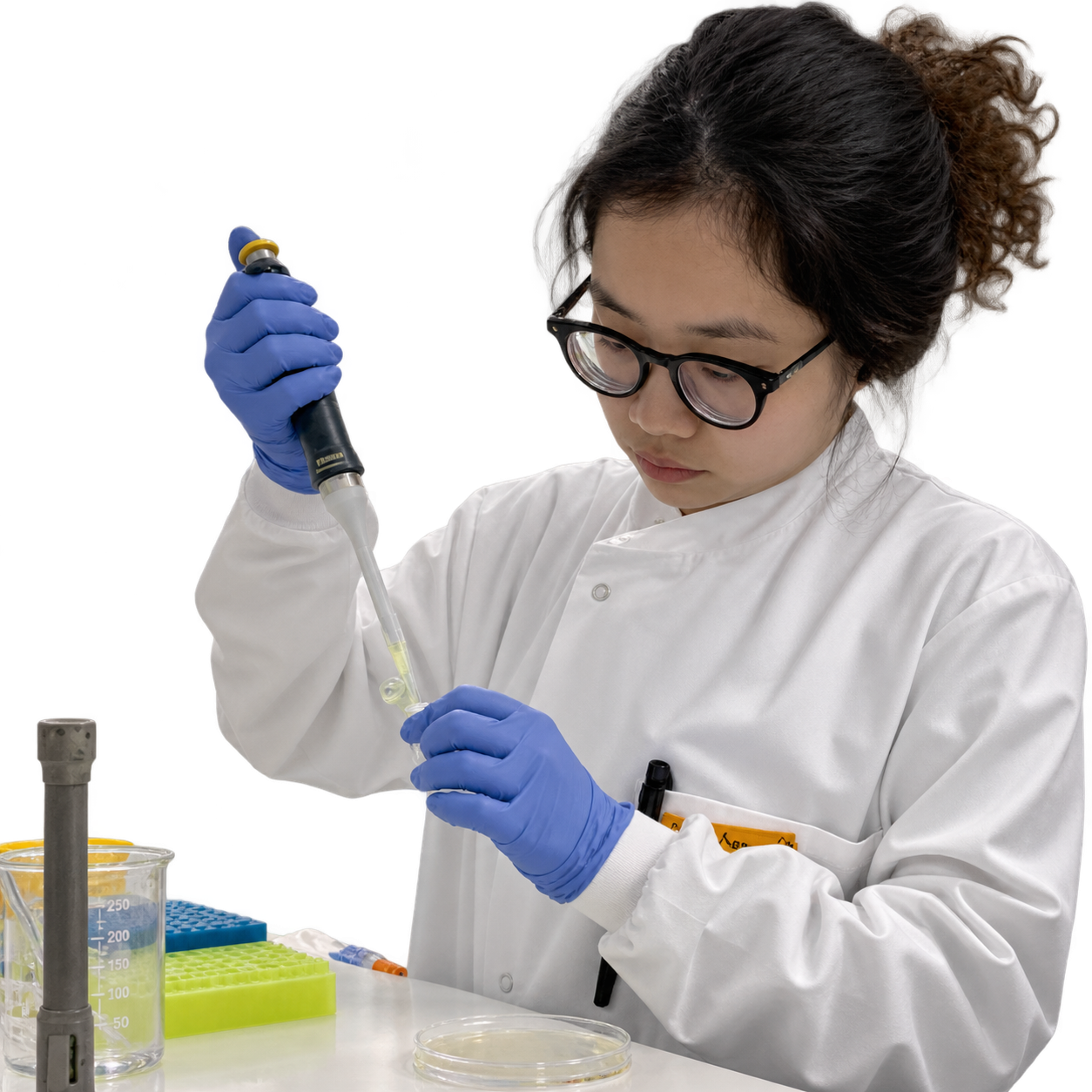
Chloe working with a pipette at a laboratory bench

Molecular biology

CHLOETRAN

Hi, I’m Chloe. Welcome!

I’m a biomedical researcher based in Cardiff, with an MSc in Biomedical Science and experience in molecular diagnostics, microbial engineering and genomics. This is a place to explore my research, get to know me and see the work I’d love to do next.

I’m looking for laboratory and research roles, as well as PhD opportunities in cancer biology, cancer immunology or computationally assisted biomedical research. I’d be happy to hear from you.

You’re invitedStep into my worldA little more about me, away from the laboratory

MSc Biomedical Science · Distinction
Swansea University · Based in Cardiff

Explore my researchLook inside the cells and experiments

Available for research roles
and PhD opportunities

Engineering Salmonella
for succinate utilisation.

Could bacteria be engineered to consume excess succinate associated with some cancers? My MSc investigated the DNA constructs needed to explore that idea.

Read my full dissertation Read here on the website

Why succinate?

Some SDH-deficient tumours accumulate succinate. The wider proposal was to develop bacteria that could consume extracellular succinate in the tumour environment; my work focused on the molecular engineering behind it.
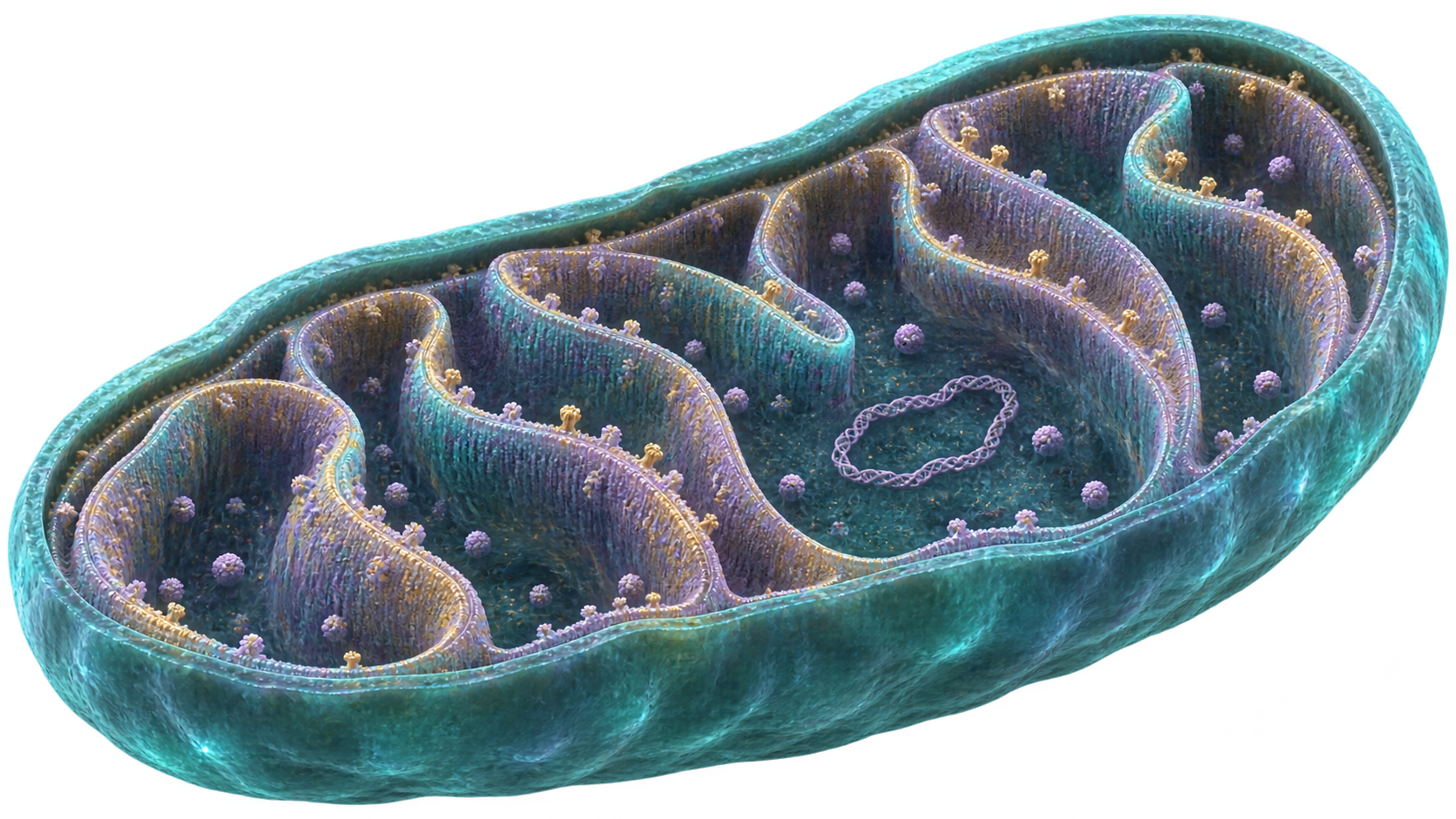
Compare working and impaired SDH with the control above

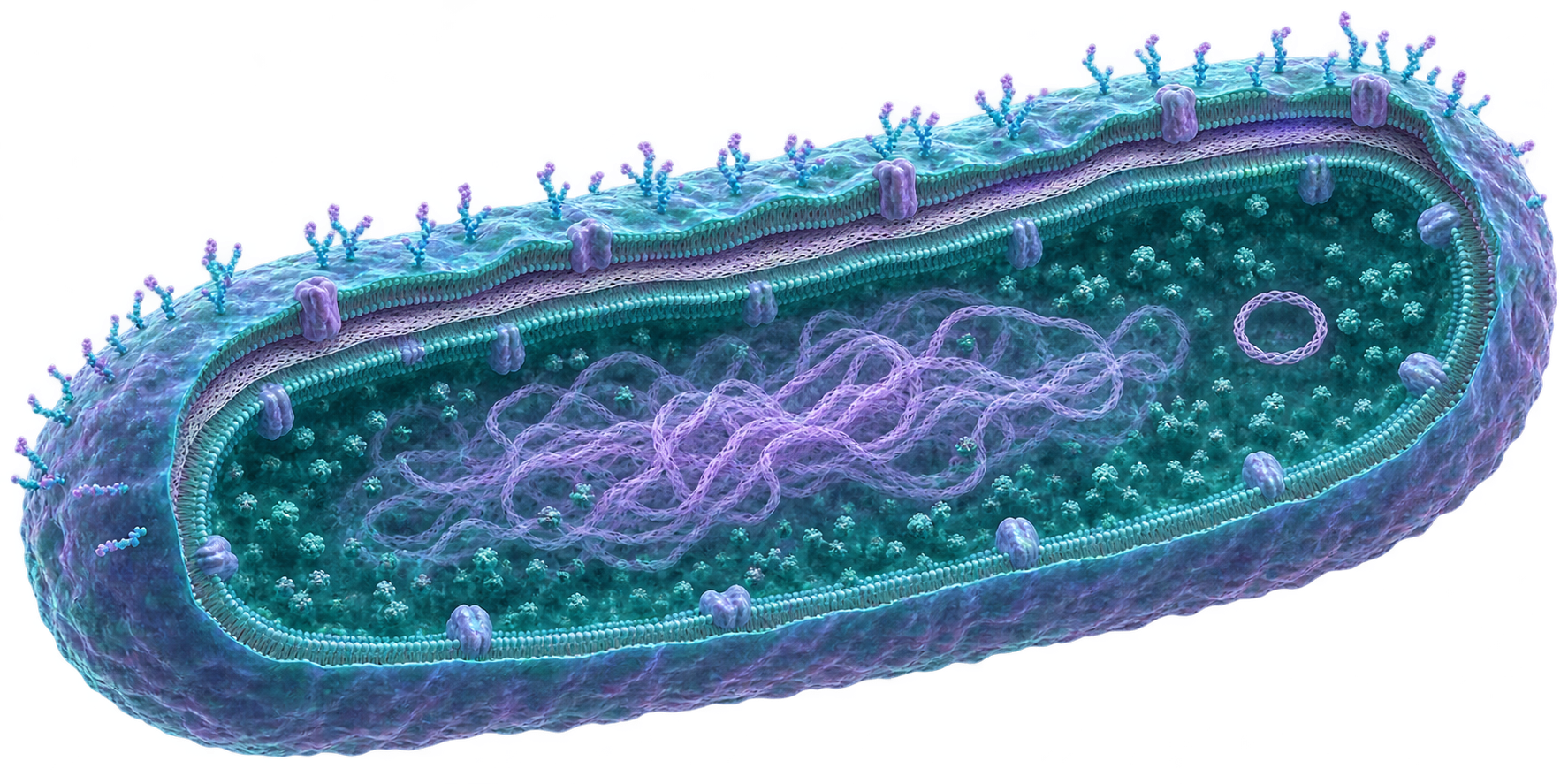
Inside Salmonella

Salmonella already has machinery for succinate uptake and metabolism, but its activity is tightly regulated. I investigated two targets: dctA for transport and sdhCDAB for oxidation.

Select a structure on the cell or in the key below

Across the membrane

DctA carries succinate across the bacterial inner membrane. This was the first target: a transporter gene that could be cloned and checked separately from the enzyme genes.

Drag succinate to DctA, or tap the molecule to follow it

The molecular machinery

The second target, sdhCDAB, encodes succinate dehydrogenase. Explore how its four subunits link succinate oxidation to the respiratory chain.

Drag to rotate. Select a subunit to reveal its role.

What I built

The dctA construct was the verified outcome. I cloned the gene into pLF305, screened candidate plasmids and used sequencing to establish identity and orientation.

Select an annotation on the complete original map, or start the guided tour.

Read Chloe’s showcase PDF
About the science and illustrations

The cutaways are artistic interpretations. Colours, molecular movement and relative sizes are simplified for explanation; they are not experimental footage or a quantitative simulation. The enzyme model uses experimental coordinates from PDB 1NEK (E. coli, 2.6 Å), a reference for the four-subunit architecture, not a structure measured in Chloe’s project. The animated electron route connects cofactor positions schematically. DctA is an illustrative carrier: its exact topology, ion coupling and full transport cycle are not represented. The succinate symbol shows carbon and oxygen atoms, with hydrogen atoms omitted.

Project evidence: Chau Tran’s MSc dissertation, Results 4.1–4.2 and Discussion; the five-page expanded showcase. The later growth result is presented from the updated showcase; the dissertation predates this account. Original gel images and maps are reproduced unchanged.

Biological references: Wenner et al., 2024 — Salmonella succinate utilisation; Selak et al., 2005 — succinate and oxygen sensing; Yankovskaya et al., 2003 — SDH architecture; Salmonella flagellar anatomy; PubChem — succinate dianion.

Original experimental gels

Skills & experience

What I bring
to the laboratory

I’ve worked with clinical samples, investigated genetic variation and built bacterial DNA constructs. Here’s how I’ve used those techniques, what I learned and where I’d like to develop next.

Molecular biology

Molecular cloning and troubleshooting

During my MSc at Swansea, I designed primers, optimised PCR and assembled a recombinant plasmid carrying dctA, a bacterial succinate-transporter gene. I screened candidate constructs using colony PCR and restriction digestion, then used sequencing to verify the insert’s identity and orientation. The sdhCDAB target was more difficult. I worked on amplification of the full operon and smaller fragments, then investigated unexpected inserts and possible plasmid instability. That work taught me to compare evidence from several methods and revise an experiment when the results did not match the design.

Techniques I can bring to a laboratory: DNA and plasmid extraction, PCR/qPCR, primer design, electrophoresis, bacterial culture, transformation, molecular cloning and construct screening.

Experience

My work in research
and clinical laboratories

I’ve worked in university research groups and diagnostic laboratories in Vietnam and the UK. Select a role to see what I worked on and the experience I can bring to a new team.

Bacterial engineering

Jan 2025 – Jan 2026 · Swansea, UK

MSc Research Student

Swansea University

My MSc investigated bacterial succinate utilisation as part of a wider proposal to develop tumour-targeting Salmonella. I designed primers, optimised PCR and built pCT1, a plasmid carrying the dctA succinate-transporter gene. Sequencing verified the insert’s identity and orientation.

The sdhCDAB target proved more difficult. I used colony PCR, restriction digestion and sequencing to investigate unexpected inserts and possible plasmid instability. The project gave me substantial experience troubleshooting experiments and deciding what the evidence did—and did not—show.

  • Primer design
  • Molecular cloning
  • PCR optimisation
  • Sequence verification
Explore my MSc research

Working together

I’m looking for my
next research opportunity.

I’m looking for laboratory and research roles in molecular diagnostics, microbiology and biomedical science, and PhD opportunities in cancer biology, immunology or computationally assisted research.

Based in Cardiff. Open to relocating for the right opportunity.

Inside the dissertation

Original dctA plasmid map
Map label pCT01; named pCT1 in the dissertation’s written results.
Open full-size image